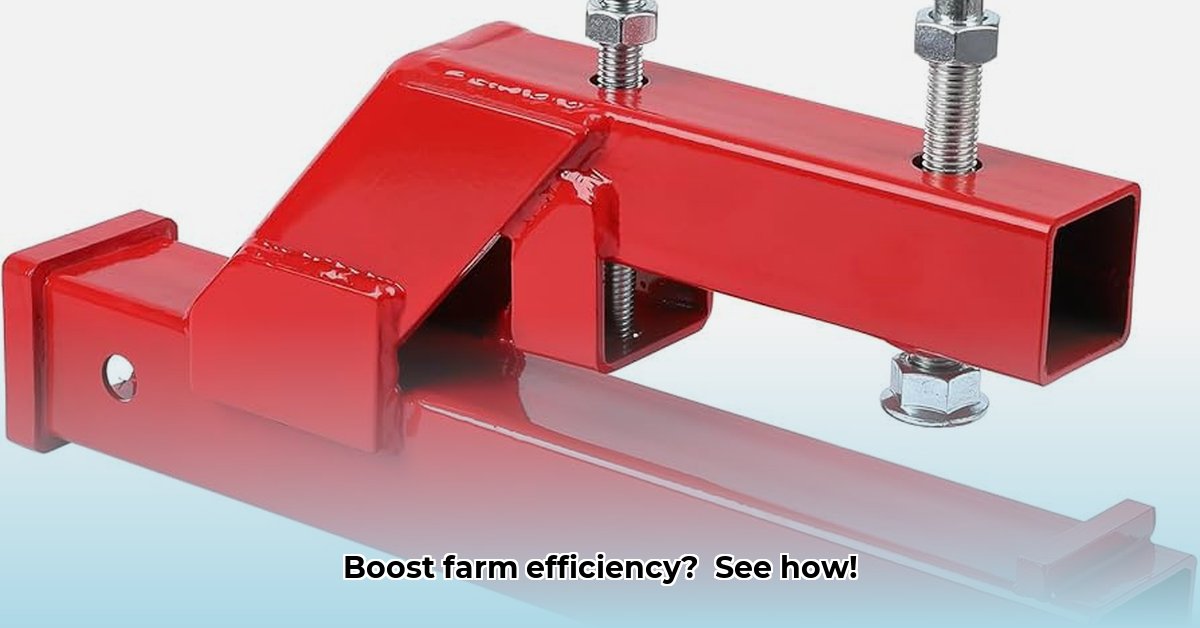
Clamp-on hitches offer a versatile and efficient solution for attaching buckets to your tractor, streamlining various farm tasks. This guide provides a comprehensive overview, covering selection, installation, safe usage, maintenance, and troubleshooting to maximize your efficiency and safety. For more information on specialized tractor attachments, check out this helpful resource on clamp-on forks.
Understanding Clamp-On Tractor Bucket Hitches
Clamp-on hitches provide a quick-change system for attaching different buckets to your tractor, enhancing versatility for tasks ranging from digging and loading to landscaping and snow removal. This adaptability saves valuable time and boosts overall farm productivity. However, it's crucial to understand their limitations. The lack of universal standardization across manufacturers necessitates careful attention to compatibility, and incorrect usage can pose safety risks. Prioritizing safe practices during installation and operation is paramount.
Types of Clamp-On Hitches
Several designs of clamp-on hitches are available. The most prevalent is the T-bolt style, characterized by its robust clamping force and relatively simple installation. However, meticulous alignment is critical to prevent uneven pressure and instability. Other designs incorporate variations in clamping mechanisms and materials, sometimes optimized for specific bucket sizes or materials. Always consult manufacturer specifications to ensure compatibility.
| Hitch Type | Strengths | Weaknesses | Considerations |
|---|---|---|---|
| T-bolt | Strong clamping force; relatively easy installation | Potential for misalignment; may need careful adjustment | Suitable for various applications; verify precise fit. |
| Quick-Release | Fast attachment/detachment; convenient for frequent changes | Might be less robust than T-bolt designs under heavy loads | Ideal for tasks requiring frequent bucket changes; verify load ratings. |
| Heavy-Duty Designs | Higher load capacity; increased durability | More complex installation; higher cost | Essential for heavy-duty tasks; requires precise installation. |
Selecting the Right Clamp-On Hitch: A Step-by-Step Guide
Choosing the correct hitch is crucial for safety and efficiency. Follow these steps carefully:
- Measure Your Bucket: Precisely measure your bucket's dimensions, focusing on attachment points. This ensures compatibility.
- Check Bucket Material: The bucket's material (steel, aluminum, etc.) impacts hitch selection. A hitch for heavy steel might not suit aluminum.
- Consider Tractor Capacity: Select a hitch with a load rating that doesn't exceed your tractor's lifting capacity to prevent overloading and accidents.
- Evaluate Application Needs: Heavy lifting demands a heavier-duty hitch than lighter tasks. Match the hitch to the materials you'll handle.
Installing Your Clamp-On Hitch: A Safety-First Approach
Proper installation is crucial for preventing accidents. Follow these steps:
- Pre-Installation Check: Thoroughly inspect the hitch and bucket for any damage before starting. Replacing damaged parts prevents accidents.
- Precise Alignment: Carefully align the hitch with the bucket's attachment points for even pressure and stability. Misalignment causes stress and potential failure.
- Gradual Tightening: Tighten clamps gradually and evenly to avoid over-tightening and damage. Firm yet not excessive pressure is key.
- Test Lift: Perform a gentle test lift before heavy use, checking for any movement or instability. Address any issues immediately.
Safe Usage and Maintenance: Maximizing Hitch Lifespan
Maintaining your hitch extends its life and prevents accidents:
- Regular Inspections: Inspect the hitch before each use for wear, damage, or looseness. Pay attention to clamps and attachment points.
- Load Limits: Never exceed the hitch's rated load capacity. Overloading leads to catastrophic failure.
- Proper Clamping: Ensure correct tightening but avoid over-tightening, which can damage the hitch.
- Cleaning and Lubrication: Clean the hitch after each use and lubricate moving parts to reduce wear.
- Storage: Store the hitch in a dry, protected area to prevent corrosion.
Troubleshooting Common Issues: Quick Fixes for Common Problems
Even with careful use, problems may still arise:
- Loose Hitch: Recheck clamping pressure and alignment. Replace worn components if necessary.
- Damaged Clamp: A damaged clamp is a safety hazard and needs immediate replacement.
- Bucket Misalignment: Loosen the clamps, realign the bucket, and retighten.
- Unusual Noises: Grinding or clicking suggests loose bolts or worn parts. Inspect and address accordingly.
Conclusion: Prioritizing Safety and Optimizing Farm Efficiency
Clamp-on hitches significantly improve farm efficiency, but safe usage and maintenance are non-negotiable. By following these guidelines, you'll ensure years of reliable service, boosting productivity and minimizing risks. Stay updated on advancements in agricultural equipment for optimal performance and safety.